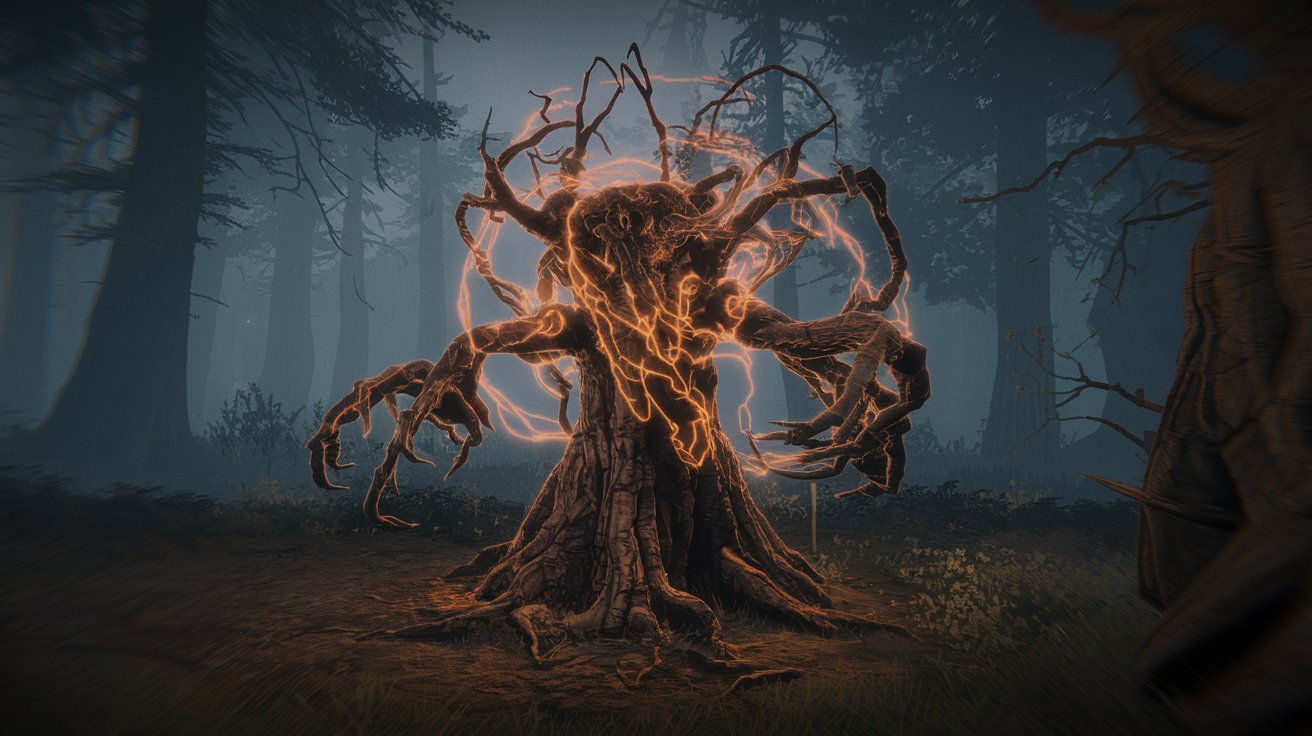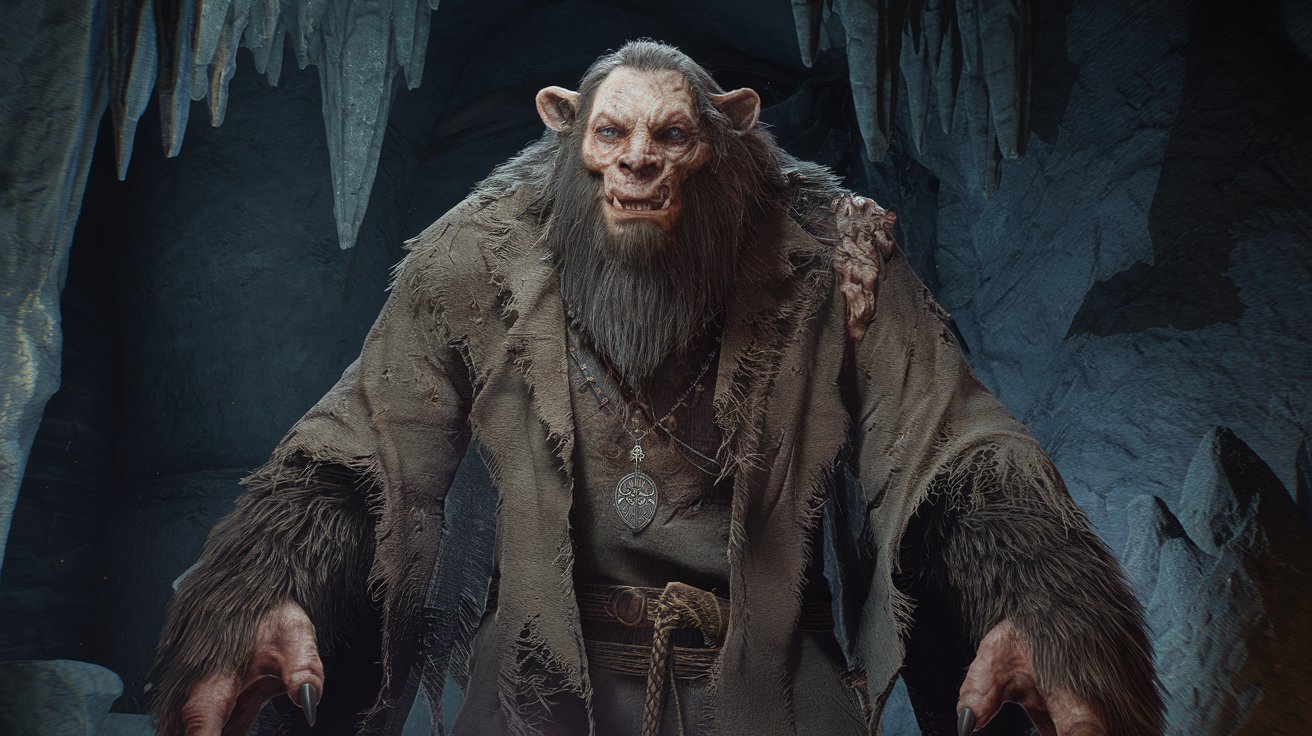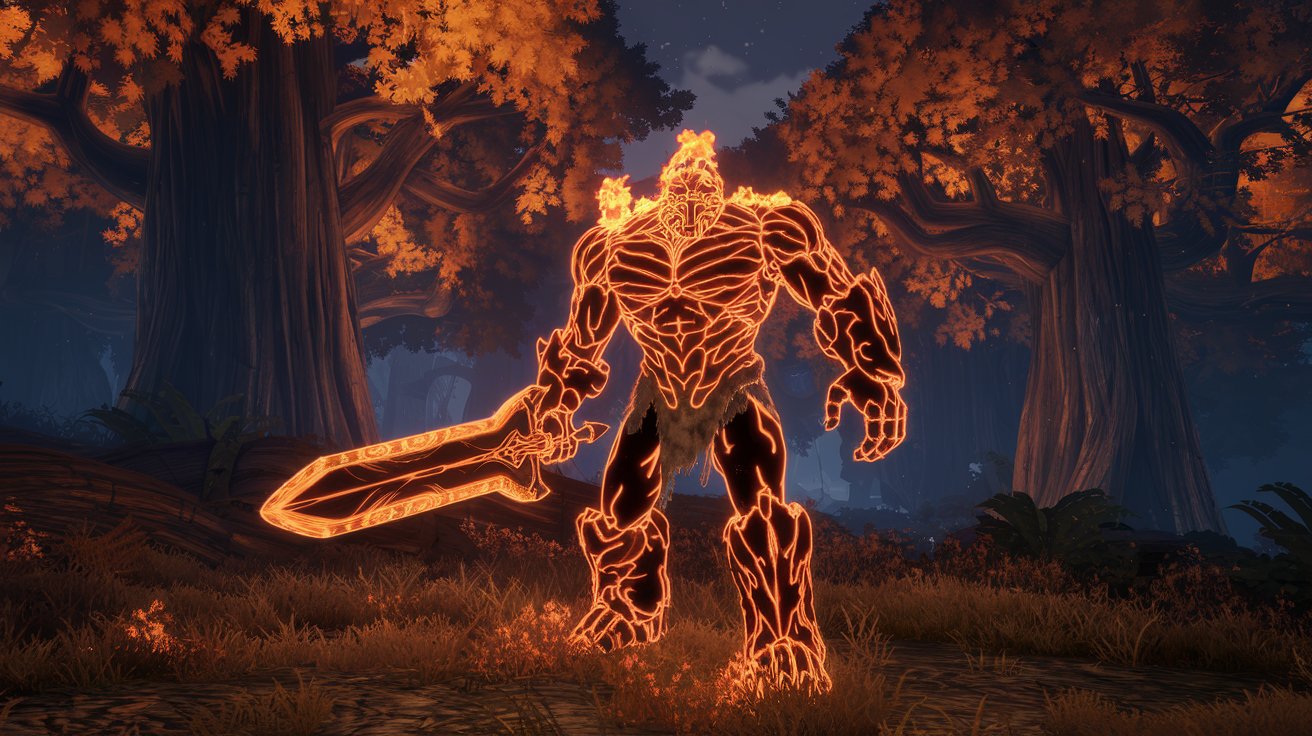
The Fire Giant in Elden Ring stands as one of the most challenging mandatory bosses in the game, guarding the path to the Forge of the Giants. This colossal enemy tests players with devastating area attacks, massive health pools, and unique mechanics that change mid-battle. Understanding the Fire Giant’s weaknesses, optimal character levels, and combat strategies is essential for victory. This comprehensive guide covers everything you need to defeat the Fire Giant, including build recommendations, Alexander questline integration, and techniques updated for 2026 gameplay.
Fire Giant Weaknesses and Vulnerabilities
The Fire Giant’s primary weakness is bleed damage, making weapons with hemorrhage buildup exceptionally effective throughout both phases of the encounter. Players using bleed builds in Elden Ring can trigger massive damage bursts that significantly reduce the lengthy fight duration. Additionally, the Fire Giant demonstrates moderate vulnerability to slash damage and standard physical attacks, particularly when targeting specific body parts during different fight phases.
Strike damage proves moderately effective, though not as powerful as bleed builds. The boss exhibits complete immunity to fire damage and scarlet rot, requiring players to avoid these damage types entirely. Frostbite buildup works well during the first phase, though its effectiveness diminishes in the second phase when the giant’s fire intensifies. Cold-infused weapons or frost sorceries like Adula’s Moonblade provide excellent alternatives for intelligence-based characters seeking to exploit this Fire Giant weakness.
During phase one, the Fire Giant’s left ankle serves as the primary weak point, sustaining increased damage from all attack types. This ankle exhibits a visible weak spot that shatters when sufficient damage accumulates, staggering the boss and creating critical hit opportunities. In phase two, after the giant tears off his left leg, players should redirect attacks toward his hands and arms during attack animations, as these become the new vulnerable zones for maximum damage output.
Recommended Level and Build for Fire Giant
Players should reach level 110-130 before attempting the Fire Giant fight in 2026 gameplay balance. This level range provides sufficient vigor to survive the boss’s devastating area attacks while maintaining adequate damage output across both phases. Characters below level 100 face significantly increased difficulty, as the giant’s attacks can one-shot players with insufficient health investment. Vigor investment of 50-60 points becomes crucial, as the Fire Giant’s rolling attacks and fire pillars deal massive damage even through shields.
The most effective Fire Giant Elden Ring build focuses on bleed weapons combined with jump attack talismans for consistent weak point damage. Weapons like the Bloodhound’s Fang, Morgott’s Cursed Sword, or dual-wielding curved swords with Seppuku Ash of War provide optimal performance. Strength builds should utilize colossal weapons with jumping attacks to break the ankle weak point quickly, while dexterity builds benefit from fast weapons that apply status effects rapidly during brief attack windows.
Magic users should employ cold sorceries and gravity spells that track the massive target effectively. Rock Sling remains particularly effective due to its poise damage and tracking capabilities. Faith builds should use lightning incantations or black flame spells, avoiding fire damage entirely. Summoning spirit ashes with high health pools like Mimic Tear or Black Knife Tiche helps maintain aggro management, allowing players to safely target the Fire Giant’s weak points during extended attack animations throughout this endurance-focused encounter.
Phase One Strategy: Breaking the Ankle
The first phase requires relentless focus on the Fire Giant’s left ankle, which features a visible wound wrapped in cloth bindings. Players mounted on Torrent can circle the giant safely while targeting this weak point between attack patterns. The ankle will eventually break after sustaining approximately 15-20% of the giant’s total health, triggering a brief stagger animation that allows for charged heavy attacks or critical damage. Staying mounted during phase one provides superior mobility for dodging the boss’s sweeping attacks and rolling maneuvers.
Watch for three primary attack patterns during this phase: the shield slam that creates a frontal shockwave, the fire plate toss that covers medium range, and the devastating roll attack that tracks player position. The roll attack requires early recognition, as players must sprint perpendicular to the giant’s rolling direction while mounted. Dismounting near the ankle after the giant completes attacks creates safe damage windows lasting three to five seconds before the next attack sequence begins.
Avoid positioning in front of the Fire Giant, as his shield attacks cover the entire frontal arc with minimal warning. Maintaining position near the left ankle or behind the right leg provides the safest zones for consistent damage application. When the giant begins stomping attacks, this signals transition to ranged fire attacks, requiring players to create distance while maintaining lock-on to monitor incoming projectiles. After breaking the ankle weak point, prepare immediately for phase transition by creating distance and restoring resources.
Phase Two Strategy: Targeting Hands and Surviving Fire
Phase two begins when the Fire Giant reaches approximately 50% health and tears off his own left leg, replacing it with a flame vortex while unlocking enhanced fire attacks. The weak ankle strategy becomes obsolete, requiring players to adapt by targeting his hands during attack animations. This phase demands more cautious play, as the giant’s attacks gain increased range, damage, and fire-based area denial that punishes aggressive positioning near his body.
The giant’s hand attacks create the primary damage windows during phase two. When he slams his hands down for fire eruptions or grabbing attacks, these limbs become briefly vulnerable to focused damage. Jump attacks with heavy weapons or rapid bleed buildup from fast weapons prove most effective during these openings. The eye on his chest occasionally opens to fire a massive laser beam that sweeps horizontally, requiring players to sprint away or time rolls carefully through the narrow safe zones.
Fire pillars that erupt from the ground randomly across the arena represent the most dangerous phase two mechanic. These flame eruptions deal massive damage and apply burn status, forcing constant movement and environmental awareness. Stay mounted on Torrent to maintain mobility between attacks, dismounting only during confirmed safe windows after hand slams or failed grab attempts. The Fire Giant cheese strategy involves staying at maximum range with ranged attacks, though this significantly extends fight duration and requires perfect resource management for ammunition or FP restoration.
Fire Giant Alexander Questline Integration
Iron Fist Alexander’s questline intersects with the Fire Giant boss fight in Elden Ring, offering an optional summon sign that provides significant assistance during this challenging encounter. Players who progress Alexander’s questline through its earlier stages can find his gold summon sign near the boss fog gate, allowing them to bring the powerful warrior pot into battle. Alexander deals substantial damage and draws aggro effectively, creating opportunities for players to heal or reposition during dangerous attack sequences.
To access Alexander for the Fire Giant fight, players must complete his appearances in Limgrave, Liurnia (stuck in the ground), Radahn’s festival in Caelid, and the Seethewater Terminus in Mt. Gelmir where he bathes in lava. Missing any of these encounters prevents his summon sign from appearing at the Fire Giant arena. Alexander’s presence proves particularly valuable for melee builds that struggle with the giant’s mobility and range, as the NPC summon creates predictable aggro patterns that enable safer ankle targeting during phase one.
Using Alexander alongside spirit ashes is not possible, forcing players to choose between NPC cooperation and their strongest spirit summons. For 2026 meta strategies, most experienced players prefer using Mimic Tear or Black Knife Tiche over Alexander due to superior damage output and survivability. However, players pursuing Alexander’s complete questline should summon him here to continue his story, which culminates in receiving Alexander’s Shard talisman after completing his final encounter in Crumbling Farum Azula, making this decision story-dependent rather than purely strategic.
Best Spirit Ashes and Summon Strategies
The Mimic Tear spirit ash remains the top choice for Fire Giant encounters in 2026, as it copies your character’s build completely, including bleed weapons, buffs, and healing capabilities. Upgrading Mimic Tear to +10 using Ghost Glovewort creates a near-equal partner that shares aggro effectively while dealing substantial damage. Pre-buffing before summoning Mimic Tear ensures your copy receives all active buffs, maximizing its combat effectiveness throughout both phases of this extended boss fight.
Alternative spirit ash options include Black Knife Tiche (+10), which provides exceptional mobility, percentage-based health damage, and independent aggro management. Tiche’s health-debuff attacks prove particularly valuable during the Fire Giant’s massive health pool depletion. Lhutel the Headless offers defensive tanking with teleportation abilities that maintain aggro while surviving the giant’s heaviest attacks. Banished Knight Oleg provides aggressive melee pressure with high poise damage, though his survivability decreases significantly during phase two fire attacks.
Summoning strategy should occur immediately after entering the arena, allowing your spirit ash to draw initial aggro while you position safely near the left ankle. Coordinate your attacks with summon positioning—when the giant focuses on your spirit ash, exploit extended damage windows against weak points. During phase two, summons struggle more with fire pillar mechanics, requiring players to assume primary damage responsibility while using summons purely for aggro management and occasional damage contributions during safe windows.
Fire Giant Lore and Story Significance
The Fire Giant represents the last survivor of an ancient race that tended the Flame of Ruin atop the Mountaintops of the Giants. Queen Marika the Eternal waged war against the giants during the age of conquest, employing the Zamor warriors to exterminate the giant civilization. The defeated Fire Giant was cursed to tend the flame eternally, preventing the burning of the Erdtree while serving as a living seal against catastrophic destruction. This lore explains why defeating the Fire Giant enables players to access the Forge of the Giants and proceed toward burning the Erdtree.
The giant’s self-mutilation during phase two reflects his desperation and madness after eons of isolated servitude. His chest cavity contains a face or flame entity that some interpret as the manifestation of the Fell God worshipped by the giant civilization. This entity’s eye opens during phase two, firing devastating flame beams that represent the full power of the Fire Giant’s rage and divine connection. Environmental storytelling through giant skeletons and frozen ruins throughout the Mountaintops reinforces the genocide that preceded this encounter.
Defeating the Fire Giant fundamentally alters the Elden Ring narrative trajectory, as players gain access to Melina’s sacrifice or the Frenzied Flame alternative at the Forge. This boss serves as the point of no return for certain questlines and ending prerequisites. The Fire Giant’s death breaks the seal containing the Flame of Ruin, enabling the burning of the Erdtree that destroys the thorns blocking access to the interior. Understanding this lore context enriches the encounter’s emotional weight beyond pure mechanical challenge, positioning it as a pivotal moment in the Tarnished’s journey toward Elden Lord candidacy.
Fire Giant in Shadow of the Erdtree DLC
The Shadow of the Erdtree DLC released in June 2024 does not feature the Fire Giant as a returning boss encounter, though references to giant civilization appear in new lore items and environmental design. Players who defeated the Fire Giant in the base game will find thematic callbacks in the Land of Shadow, where ancient conflicts between the Erdtree and outer gods receive expanded context. DLC lore items clarify the Fire Giant’s connection to the Fell God and the greater cosmology of Elden Ring’s metaphysical conflicts.
New DLC weapons and incantations reference giant-fire themes, offering alternatives for players creating Fire Giant-inspired builds in 2026. The Messmer’s Flame incantations and certain colossal weapons added in Shadow of the Erdtree provide similar visual effects to the Fire Giant’s attacks, enabling fashion builds and roleplay opportunities. However, no direct rematch or empowered version of the Fire Giant exists within the DLC content, maintaining the original encounter’s unique position in the base game progression.
Reddit community discussions in 2026 frequently compare Fire Giant difficulty to Shadow of the Erdtree bosses like Promised Consort Radahn and Messmer the Impaler. Many players report the Fire Giant feeling easier retrospectively after experiencing DLC boss design, which features faster attack patterns and more complex movesets. The base game Fire Giant remains mechanically simpler, relying on massive damage and health pools rather than the intricate combo chains characteristic of DLC encounters. This positions the Fire Giant as a gear and level check rather than a pure skill test when compared to 2024-2026 endgame content.
Common Mistakes and How to Avoid Them
The most frequent error involves staying too close to the Fire Giant’s body during phase two, resulting in unavoidable damage from fire pillars and body slam attacks. Players must resist the temptation to maintain constant melee pressure, instead accepting a slower pace that prioritizes survival over aggressive damage. Torrent mobility becomes essential for creating space between attack patterns, allowing players to avoid the sweeping area attacks that punish stationary positioning near the boss.
Insufficient vigor investment represents another critical mistake, as players with less than 45 vigor face one-shot potential from multiple Fire Giant attacks including the roll, fire eruptions, and stomps. Prioritizing damage stats over survivability proves counterproductive when death resets all progress through the lengthy encounter. The 2026 meta strongly emphasizes vigor-first stat allocation for Mountaintops progression, with 50-60 vigor recommended before optimizing offensive statistics.
Failing to break the left ankle weak point during phase one extends the fight unnecessarily and depletes limited healing resources before the more dangerous phase two begins. Players should focus ankle targeting exclusively during the first half, using Torrent to circle safely while avoiding distractions from other body parts. Attempting to damage the head or body during phase one wastes time and reduces the critical stagger opportunity that breaking the ankle provides. Additionally, forgetting to resummon Torrent after forced dismounts from attacks causes positioning failures that lead to unavoidable damage from subsequent attack chains.
Cheese Strategies and Exploit Methods
The primary Fire Giant cheese strategy in 2026 involves maintaining maximum distance while using ranged attacks exclusively, preventing the boss from executing most of his dangerous close-range moveset. Players with strong ranged builds using bows, crossbows, or long-range sorceries can position near the arena edges and slowly deplete the giant’s health with minimal risk. This method requires significant ammunition investment or FP management through flask allocation, extending fight duration to 10-15 minutes compared to 3-5 minutes with aggressive melee strategies.
Bleed cheese utilizing dual Seppuku Ash of War on curved swords or katanas creates rapid hemorrhage procs that deal percentage-based damage, effectively bypassing the Fire Giant’s massive health pool. Players can trigger bleed every 8-12 hits with optimized builds, causing thousands of damage per proc regardless of scaling stats. Combining this with Mimic Tear summon doubles bleed application rate, creating a strategy that trivializes both phases through sustained status effect pressure rather than traditional damage optimization.
The terrain cheese near the fog gate allows players to exploit pathing issues by staying at extreme arena edges where certain Fire Giant attacks fail to track properly. However, FromSoftware patched several geometry exploits in 2024 updates, reducing cheese method reliability. Reddit communities report that pure ranged strategies remain the most consistent cheese approach in 2026, though these methods contradict the intended melee-focused encounter design. Players seeking legitimate challenge should avoid cheese methods, as they diminish the satisfaction of mastering the Fire Giant’s unique mechanics and attack pattern recognition requirements.
Post-Fight Rewards and Progression
Defeating the Fire Giant rewards players with 180,000 Runes, providing significant leveling currency for endgame stat optimization. This rune amount represents one of the highest single-boss payouts in the base game, reflecting the encounter’s difficulty and progression significance. Players should immediately retrieve these runes and spend them at a Site of Grace to avoid loss from subsequent deaths during the Forge of the Giants sequence that follows the boss defeat.
The Remembrance of the Fire Giant becomes available for duplication at Walking Mausoleums, allowing players to claim both reward options in subsequent playthroughs or through duplication. This remembrance exchanges with Enia at the Roundtable Hold for either the Giant’s Red Braid whip weapon or the Burn, O Flame! incantation. The Giant’s Red Braid scales with strength and dexterity while featuring a unique charged heavy attack that mimics the Fire Giant’s fire plate toss. Burn, O Flame! creates a massive fire eruption that deals area damage, though its long cast time limits practical PvP applications.
After defeating the boss, players access the Forge of the Giants located just beyond the arena, where Melina offers to sacrifice herself to burn the Erdtree using the Flame of Ruin. This critical story junction determines ending paths and locks certain questlines permanently. Players pursuing the Frenzied Flame ending should complete that prerequisite before accepting Melina’s offer. The forge visit also unlocks fast travel to Crumbling Farum Azula, advancing the Elden Ring main story toward its final act and preventing return to certain areas until New Game Plus cycles.
Related video about fire giant elden ring
This video complements the article information with a practical visual demonstration.
Most asked questions about fire giant elden ring
What level should you fight the Fire Giant in Elden Ring?
Players should be level 110-130 when fighting the Fire Giant, with vigor investment of 50-60 points being critical for survival. This level range provides adequate health to survive devastating attacks while maintaining sufficient damage output across both phases. Characters below level 100 face significantly increased difficulty due to the boss’s one-shot potential. Weapon upgrades of +20 for standard weapons or +8 for somber weapons are equally important, as raw character level alone cannot compensate for insufficient weapon scaling in this late-game encounter.
What is the Fire Giant weak to in Elden Ring?
The Fire Giant is primarily weak to bleed damage, with hemorrhage buildup causing massive damage bursts that significantly reduce fight duration. He also sustains moderate damage from slash and strike physical attacks, with particular vulnerability on his left ankle during phase one. Frostbite works effectively in the first phase but loses potency in phase two. The boss is completely immune to fire damage and scarlet rot, requiring players to avoid these damage types. Cold-infused weapons provide excellent alternatives for intelligence builds exploiting his frostbite weakness.
How do I defeat Fire Giant in Elden Ring easily?
The easiest method to defeat the Fire Giant combines bleed weapons with the Mimic Tear spirit ash while staying mounted on Torrent for mobility. During phase one, relentlessly target his left ankle until it breaks, creating a critical stagger opportunity. In phase two, target his hands during attack animations while avoiding fire pillars through constant movement. Using weapons like dual curved swords with Seppuku Ash of War enables rapid bleed procs that bypass his massive health pool. Maintaining 50-60 vigor ensures survival against his most powerful attacks throughout both phases of this endurance-focused encounter.
Do you have to beat the Fire Giant in Elden Ring?
Yes, defeating the Fire Giant is mandatory for completing Elden Ring’s main story progression. He serves as the required boss guarding access to the Forge of the Giants, which enables burning the Erdtree and advancing to Crumbling Farum Azula. There is no alternative path or skip method that allows players to progress toward the endgame without defeating this boss. Players cannot access any of the game’s multiple endings without first overcoming the Fire Giant encounter, making him one of the essential story bosses alongside Godrick, Rennala, Morgott, and the final sequence bosses.
Can you summon Alexander for Fire Giant fight?
Yes, players who complete earlier stages of Iron Fist Alexander’s questline can find his gold summon sign near the Fire Giant fog gate. To access this summon, you must encounter Alexander in Limgrave, free him in Liurnia, participate in Radahn’s festival, and meet him at Seethewater Terminus in Mt. Gelmir. Alexander provides solid damage and aggro management during the fight, though using him prevents spirit ash summoning. Most 2026 strategies prefer Mimic Tear or Black Knife Tiche over Alexander due to superior damage output, making this choice story-focused rather than purely strategic for optimized builds.
What happens after beating Fire Giant in Elden Ring?
After defeating the Fire Giant, players receive 180,000 Runes and the Remembrance of the Fire Giant, which exchanges for either Giant’s Red Braid whip or Burn, O Flame incantation. The immediate area opens to the Forge of the Giants where Melina offers to sacrifice herself to burn the Erdtree using the Flame of Ruin. This triggers a cutscene and automatically transports players to Crumbling Farum Azula, the next major area. This represents a critical story junction that determines ending paths, locks certain questlines, and prevents return to some areas until New Game Plus, making it the definitive point of no return for specific game outcomes.
| Strategy Element | Recommended Approach | Key Benefit |
|---|---|---|
| Character Level | 110-130 with 50-60 Vigor | Survives one-shot attacks and maintains damage output |
| Primary Weakness | Bleed damage and hemorrhage buildup | Percentage-based damage bypasses massive health pool |
| Phase One Target | Left ankle until break/stagger | Creates critical hit opportunity and phase advantage |
| Phase Two Target | Hands during attack animations | Safe damage windows with predictable timing |
| Best Spirit Ash | Mimic Tear +10 or Black Knife Tiche +10 | Superior aggro management and sustained damage |
| Optimal Build | Dual curved swords with Seppuku or bleed katanas | Rapid bleed procs every 8-12 hits for massive damage |
| Mobility Strategy | Stay mounted on Torrent between attacks | Avoids fire pillars and enables safe repositioning |
| Reward Value | 180,000 Runes plus Remembrance options | Significant leveling currency and unique weapon/incantation |